Hardie board is the go‑to solution when homeowners want a durable, low‑maintenance exterior cladding that can mimic the look of wood, stucco, or stone without the typical drawbacks. In 2026 it remains the benchmark for weather‑resistant, fire‑rated siding, offering a blend of strength and design flexibility that makes DIY installation and professional projects alike more straightforward. For a deeper dive into complementary siding options, see our Fiber Cement Siding 2026 Guide.
What Makes Hardie Board Different?
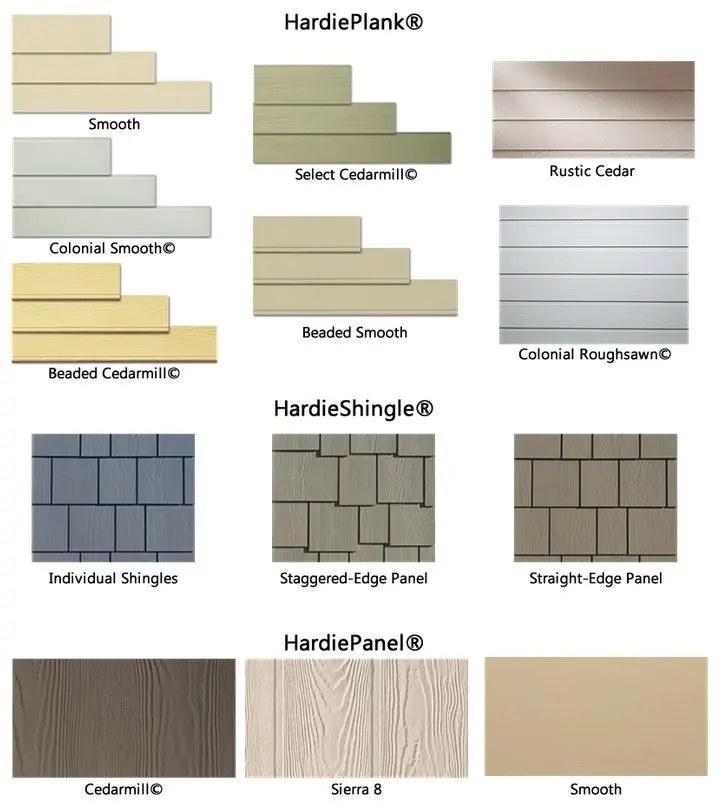
Hardie board, officially known as James Hardie® Fiber Cement Siding, combines cement, sand, and cellulose fibers in a proprietary formula. This composition gives it three core advantages:
- Weather resistance: It tolerates extreme temperature swings, high humidity, and even salty coastal air without swelling or rotting.
- Fire performance: Rated Class A fire resistance, it can slow flame spread—an essential factor for safety‑focused renovations.
- Design versatility: Available in smooth, embossed, and panel styles, it can be painted any color and re‑painted for decades.
Hardie Board vs. Traditional Wood Siding
While wood offers natural charm, it demands regular sealing, painting, and pest control. Hardie board eliminates those chores; a single high‑quality paint system can protect the surface for 10‑15 years, according to the National Association of Home Builders (2025). This longevity translates into lower lifetime costs, a key metric for budget‑conscious homeowners.
Table of Contents
- What Makes Hardie Board Different?
- Hardie Board vs. Traditional Wood Siding
- Current Market Trends and Pricing (2026)
- Step‑by‑Step DIY Installation Guide
- 1. Planning and Permits
- 2. Materials and Tools
- 3. Surface Preparation
- 4. Installing the Boards
- 5. Finishing Touches
- Common Mistakes and How to Avoid Them
- Maintenance Tips for Longevity
- Hardie Board in Real‑World Projects
- Choosing the Right Contractor
- Environmental Impact and Sustainability
- FAQ – Quick Answers
- Can Hardie board be installed over existing siding?
- Is Hardie board fire‑rated?
- How long does Hardie board last?
- Do I need special tools to cut Hardie board?
- What colors are available?
Current Market Trends and Pricing (2026)
According to the 2026 Hardie Board Market Report by Allied Market Research, global shipments grew 6.2% YoY, driven largely by increased demand for sustainable building materials. In the United States, the average material cost ranges from $5.50 to $8.20 per square foot, with installation adding $3.00‑$5.00 per square foot when performed by a licensed contractor.
Regional price variations persist: the Pacific Northwest sees higher costs due to shipping distances, while the Midwest benefits from local distribution hubs. For a realistic project estimate, factor in permitting fees (often $150‑$300 per permit) and potential disposal costs for old siding, which can reach $0.40 per pound.
Step‑by‑Step DIY Installation Guide
Even though many prefer professional installation, skilled DIYers can successfully apply Hardie board with the right preparation. Below is a concise action plan:
1. Planning and Permits
- Check local building codes; many jurisdictions require a fire‑rated underlayment.
- Obtain a siding permit—most municipalities provide an online portal for quick approval.
2. Materials and Tools
- Hardie board panels (choose profile based on aesthetic goal)
- Corrosion‑resistant nails or screws (galvanized or stainless steel)
- Fiber‑cement cutting saw with a carbide‑tipped blade
- Moisture‑resistant house wrap (e.g., Tyvek)
- Safety gear: dust mask, goggles, ear protection
3. Surface Preparation
Remove existing siding, repair any damaged sheathing, and install a continuous house wrap. Ensure all seams overlap by at least 6 inches to maintain a weather‑tight envelope.
4. Installing the Boards
- Start at the bottom corner; leave a ¼‑inch gap for expansion.
- Use a level to keep rows straight; stagger joints for a professional look.
- Nail every 16 inches horizontally and 24 inches vertically, following the manufacturer’s fastener schedule.
- Cut openings for windows, doors, and trims using a fine‑tooth saw to avoid chipping.
5. Finishing Touches
Apply a high‑quality exterior acrylic paint within 30 days of installation to lock in protection. Hardie board accepts paint like any other primed surface, but a primer designed for masonry is recommended for best adhesion.
Common Mistakes and How to Avoid Them
Even seasoned renovators can stumble. Here are pitfalls that often cause costly re‑work:
- Skipping the house wrap: Without a moisture barrier, water can infiltrate the wall cavity, leading to mold growth.
- Improper fastener spacing: Too few nails create flex points that may cause cracking under wind loads.
- Painting too soon: Hardie board needs a curing period; painting within 48 hours can trap moisture.
- Neglecting expansion gaps: Rigid installations may buckle when temperatures swing.
Maintenance Tips for Longevity
Hardie board’s low‑maintenance reputation is well earned, but a few simple checks keep it performing at peak:
- Inspect for loose fasteners after severe storms and re‑secure them.
- Repaint every 10‑15 years, especially in high UV regions, to maintain color vibrancy and protect the surface.
- Clean with a mild detergent and low‑pressure water; avoid abrasive cleaners that could erode the paint.
Hardie Board in Real‑World Projects
Case studies from 2026 illustrate its versatility. A suburban renovation in Austin, Texas, replaced aging vinyl siding with Hardie board, achieving a 30% reduction in energy bills due to the board’s superior insulating properties (Energy Star, 2026). In a historic district of Savannah, Georgia, a restoration project used Hardie board to replicate original wood clapboards while meeting modern fire codes, earning a preservation award from the National Trust for Historic Preservation.
Choosing the Right Contractor
If you decide to hire a professional, look for certifications such as “Hardie Certified Installer” and verify insurance coverage. Our guide on finding the best local pros can help you narrow down options: Vinyl Siding Contractors Near Me: How to Choose the Best Local Pros in 2026. A qualified installer will also handle the necessary flashing and moisture management details that are critical for a watertight envelope.
Environmental Impact and Sustainability
Hardie board scores well on green building metrics. The cement component contains recycled content, and the manufacturing process meets ISO 14001 environmental standards. The product’s long lifespan reduces the frequency of replacement, which in turn cuts down on landfill waste. For homeowners pursuing LEED certification, Hardie board can contribute points in the Materials & Resources category.
FAQ – Quick Answers
Can Hardie board be installed over existing siding?
Yes, but only if the existing material is sound, flat, and properly anchored. Adding a house wrap between layers is essential to prevent moisture trapping.
Is Hardie board fire‑rated?
Hardie board carries a Class A fire rating, the highest available for residential siding, making it suitable for wildfire‑prone areas.
How long does Hardie board last?
When properly installed and maintained, it can exceed 50 years, outlasting most other exterior cladding options.
Do I need special tools to cut Hardie board?
A carbide‑tipped saw blade or a specialized scoring knife works best. Always wear a dust mask, as cutting releases fine silica particles.
What colors are available?
Hardie board itself is a neutral gray; you can paint it any color using exterior acrylic paint. Pre‑finished options are also offered in popular shades.
In summary, Hardie board offers a compelling mix of durability, design flexibility, and environmental responsibility, making it an ideal choice for both DIY homeowners and professional remodelers. Whether you’re upgrading a single‑family home or tackling a large‑scale development, understanding the material’s benefits, installation nuances, and maintenance requirements will ensure a successful, long‑lasting exterior transformation.
Explore more on siding options in our Home Siding Guide 2026, and learn how metal siding compares in the Metal Siding 2026: Ultimate Guide.
For a detailed technical overview, refer to the Wikipedia entry on fiber‑cement siding.
